
Choosing a preschool is one of those decisions that can leave you overthinking every little detail, especially if you’re a parent in a big city like Chicago. And it makes sense. Preschool is the starting point of your child’s learning journey. It’s where they begin building social skills, early academic skills, independence, and confidence.
So if you’re trying to figure out what to look for when choosing a preschool in Illinois (Chicago), you’re already on the right path by taking the time to understand what makes a preschool truly high-quality.
In a city as large and diverse as Chicago, families have access to public programs, private centers, faith-based schools, home preschools, and community-based early learning centers. Each option has its own strengths, but not every preschool will offer the same level of quality.
That’s why it’s important to know what to look for not just the nice building or the attractive website, but the things that actually matter for a child’s development.
What to Look for When Choosing a Preschool in Illinois (Chicago) in 2026
Table of Interests
Below are What to Look for When Choosing a Preschool in Illinois (Chicago) in 2026.
1. Start by Paying Attention to Licensing and Safety
Before anything else, make sure the preschool is legally operating and meets the state’s safety standards. In Illinois, licensed programs follow specific rules about staff training, classroom size, health practices, and emergency procedures. This isn’t just a box to check — it’s a sign that the preschool takes the basics seriously.
A good preschool won’t hesitate to show you their license, explain how they maintain safety, or walk you through their security procedures. When you visit, pay attention to details like how clean the classrooms are, how safe the play areas look, and whether children are supervised properly. These small observations reveal a lot about how committed a school is to protecting children.
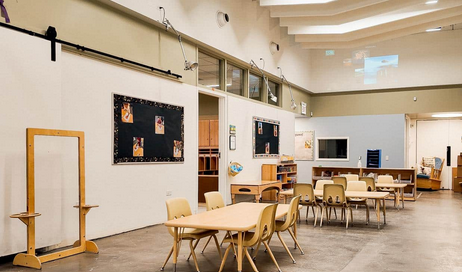
2. Look Closely at the Classroom Environment
The classroom is where your child will spend most of their time, so this is one of the most important things to evaluate. A high-quality preschool classroom should feel warm, active, and organized. It shouldn’t feel chaotic, but it also shouldn’t feel stiff or overly strict. Children learn best when they can move around confidently and explore.
Here are a few things worth checking during a visit:
Does the classroom have different learning areas (like a reading corner, art table, pretend-play area, block section)?
Are materials placed where children can reach them without needing constant adult help?
Do the children look engaged and comfortable?
Are teachers interacting with the kids respectfully and patiently?
Just watching how teachers talk to the children tells you a lot. A great preschool teacher will kneel down to a child’s level, listen to them fully, and guide them instead of bossing them around. Respectful interactions show that the program values emotional development, not just academics.
3. Pay Attention to the Curriculum and Learning Approach
Every preschool in Chicago follows its own philosophy, so it’s important to understand whether their approach matches your expectations. Some focus more on structured learning, while others use play-based methods. Many combine both, which is usually a healthy balance.
When you talk to the director or teacher, you should be able to get clear answers to questions like:
How do you help children develop early literacy and math skills?
How much time do children spend playing compared to doing group activities?
How do you prepare kids for kindergarten?
What does a typical day look like?
A strong preschool curriculum for 2026 doesn’t mean pushing academics on toddlers. Instead, it should support curiosity, problem-solving, early language skills, social growth, and hands-on learning. Children should have time outdoors, time to explore materials, and time to interact with classmates.
If a preschool cannot explain why they do what they do, that’s usually a warning sign.
4. Check Teacher Qualifications and Stability
Teachers are the heart of any preschool. The quality of the teachers is often the biggest difference between an average preschool and an exceptional one. In Illinois, early childhood teachers can come from different training paths, but what matters most is their experience, their commitment to children, and their ability to build warm relationships.
It’s okay to ask:
What qualifications do your teachers have?
How long have they worked here?
Do they get ongoing training each year?
A preschool with low staff turnover is usually a good sign. When teachers stay long-term, it means they enjoy the environment and the program treats them well. More importantly, it gives your child stability — young children thrive when they see familiar faces every day.
5. Think About the Daily Routine and Program Structure
Preschools in Chicago vary a lot in how they structure the day. Some have longer hours for working families, while others operate more like part-day programs. Some have large group times, while others rely more on small-group learning or open play.
Whatever the structure, it should feel balanced. Children need routine, but they also need flexibility. A good preschool day should include time for:
Outdoor play
Hands-on activities
Creative expression
Rest or quiet time
Small-group interaction
Teacher-guided learning moments
If the schedule feels too strict or too loose, it might not support healthy development.
6. Evaluate How the Preschool Communicates With Families
Strong communication between parents and teachers is essential, especially in the early years. You want a preschool that sees you as a partner, not someone who just drops off and picks up a child.
Ask how they keep families updated. Many Chicago preschools now use apps for sharing pictures, progress notes, and announcements, while others rely on weekly newsletters or conversation during pickup. There’s no “right” method, but there should be a system in place.
Also pay attention to how open the staff feels. Are they friendly? Do they answer your questions honestly? Do they make you feel welcome? A school that values parents usually values children too.
7. Consider Location, Cost, and Practical Fit
While quality matters, the reality is that practical factors matter too. Chicago traffic, your work schedule, and your budget will absolutely influence your decision — and that’s okay. What you’re looking for is a preschool that is both high-quality and realistic for your family’s routine.
Think about:
How easy is drop-off and pickup?
Does the preschool offer extended hours if you need them?
Are there additional fees (supplies, meals, field trips)?
Is the tuition predictable?
Does the location feel safe?
It’s better to choose a preschool you can consistently manage than to stretch yourself for a program that doesn’t fit your lifestyle.
8. Pay Attention to Reviews, Reputation, and First Impressions
Even though every family’s experience is different, local feedback still matters. Ask other parents in your neighborhood, check community groups, or talk to families already enrolled. Often, they’ll share insights that you can’t see during a short tour.
But at the end of the day, trust your instincts too. When you walk into a preschool, notice how you feel. Does it feel warm? Does it feel organized? Does your child seem comfortable? Sometimes your gut picks up what your mind hasn’t processed yet.
Conclusion
If you’re trying to figure out what to look for when choosing a preschool in Illinois (Chicago) , the biggest thing to remember is this: choose a preschool where your child feels safe, supported, and excited to learn.
Look for thoughtful teachers, a warm classroom environment, a balanced curriculum, and a program that communicates openly with families. And don’t rush the process visit more than one option, ask real questions, and picture your child in that space.
Preschool is not just another box to check on the parenting list. It’s the first step into a world of learning, confidence, and friendships. When you find the right place, you’ll know not because it’s perfect, but because it feels right for your child and your family.