
7 Main Trends In Early Childhood Education?
Table of Interests
Today, you and I will quickly take a look at the topic “7 Main Trends In Early Childhood Education?”.
This has become necessary as we have sen overtime that several individuals have been searching for topics related to the above topic 7 Main Trends In Early Childhood Education?
However, if you are among those that have been searching for answers to [current trends in early childhood education 2022, emerging trends in early childhood education and care, global trends in early childhood education, current issues and trends in early childhood education 2022, issues in early childhood education today, articles on current issues in early childhood education, current trends in early childhood education 2022, current issues in preschool education, 7 Main Trends In Early Childhood Education?], then you can see that you are not the only one.
Nonetheless, you shall get all this information right here on this blog.
7 Main Trends In Early Childhood Education?
The changes that the world is going through have made many parents have difficulty choosing the education model that best prepares their children to build their own future.
The demands of the new generation are different, new concepts have arrived, and some values are undergoing a rapid transition.
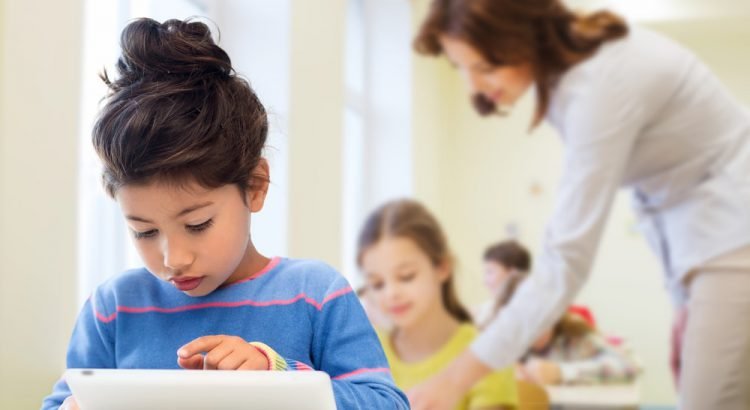
The school is reinventing itself so that the pedagogical practices are adapted to the current needs of children, the world and families as well.
1. Personalized Teaching And Collaboration
Each student is unique, therefore, their individuality, time and way of seeing the environment need to be respected so that learning has meaning and is a source of passion and happiness.
 Classes need to stimulate mutual help, interaction, association.
Group work develops several social-emotional skills, such as collaboration, communication, and autonomy, something that is increasingly required in adult life.
2. Outdoor Classes
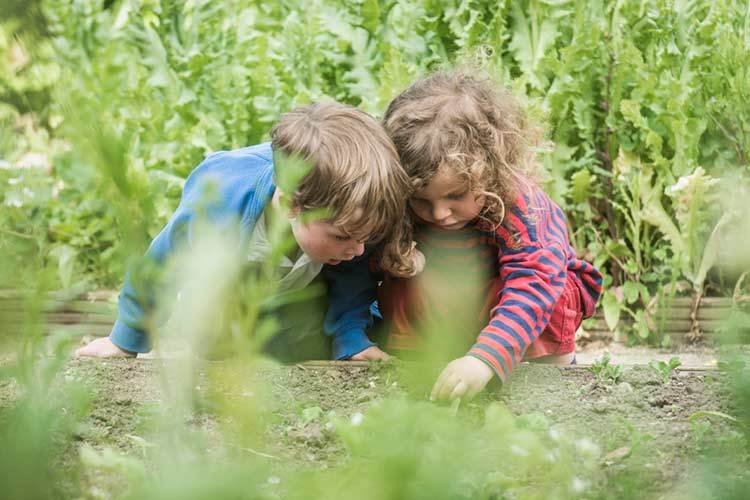
The classroom is everywhere! Nothing better than taking advantage of the different spaces of the school to learn.
Innovative schools have exclusive environments for early childhood education – many of them without walls or roofs – so that planned activities stimulate children to understand the world and to socialize.
Sports practice, which needs to be inserted from the youngest age, since the development of general motor skills, mind-body balance, and the social side are important aspects to be developed.
3. Arts As A Stimulus To Creativity
Artistic expressions are important so that the child can externalize their most intimate universe and become sensitive to the world.
Painting a picture, going on stage to perform or dance, playing a musical instrument, are some of the ways the child can enhance his intellectual skills and relieve his own creativity.

Through the development of artistic skills, students discover innumerable knowledge.
See Other Articles People Are Reading
- Cry Me A River – From Biology To Psychology Of Tears
- Redefining ‘Health’ For The 21st Century | Health Care Changes In The 21st Century
- Missile Technology – The Weapon Of Destruction
- Discussing Day-to-Day Fear | Types Of Fears & How To Overcome Them
- Electromagnetism – Antenna Radiation Patterns | How To Read Antenna Radiation Patterns
- Do Robots Really Have Emotions? | Can Artificial Intelligence Feel Emotions?
4. New Technologies In The Classroom
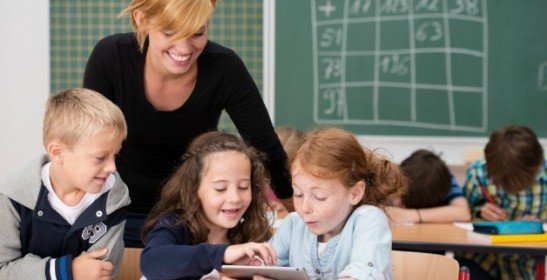
Today’s world is technology, and the children of this generation – also called Generation Z – are considered digital natives. With this, inserting resources of new technologies into the school environment became inevitable.
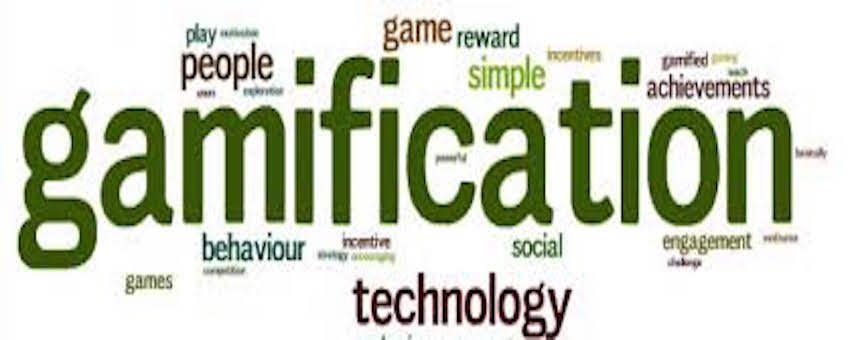
5. Gamification
This use of new technologies emerged gamification, an expression that comes from English gamification. It is about uniting the children’s passion for games and using them constructively in the classroom.
The idea is for the teacher to insert the games as a tool for issues that are being discussed. Currently, there are many platforms with broad content options according to each age group.
6. Flexible And Full-time Schedules
Reconciling career and children has been a challenge and for many parents.
Some schools seek a differential offered by education with flexible entry and exit schedules, extra-curricular activities within the school and full-time.
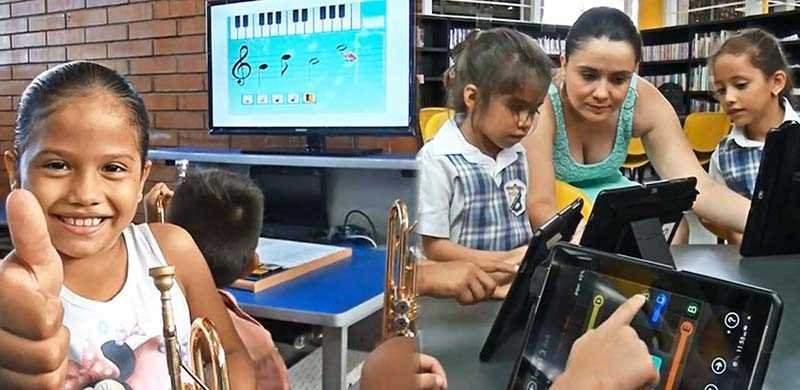
The children are assisted according to the needs of the age group, which makes the experience quite positive and reassuring for the parents. Trained professionals accompany the children in the transition of each schedule and provide well-being at important moments.
There is also accompaniment in the phase in which homework begins to appear, and the teachers of specific cultural and sports activities take turns in stimulating classes, which ratify the objectives of the political-pedagogical project of the school.
7. Bilingual Education
This new reality has also made schools deepen language teaching. Mastering another language – especially English, because it is universal – became essential.
And the earlier the learning, the more natural it will be.
Over the years, whether to enter important universities or the labor market, whether to have social relations, take a trip or just to read a book, fluency in another language is a great facilitator and broadens the horizon.
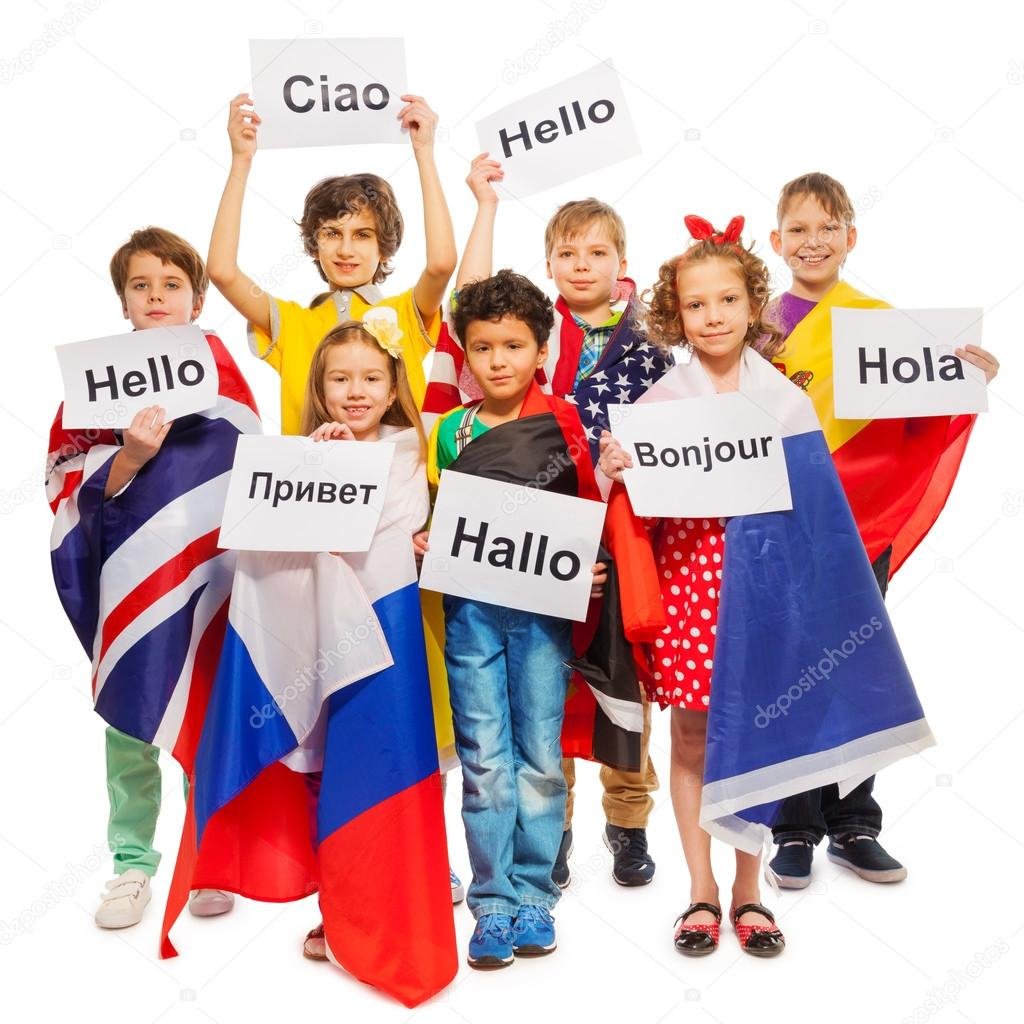
In bilingual education, some schools alphabetized both Portuguese and languages simultaneously.
These trends in early childhood education show how the school is going through a great transition.
That’s the much we can take on the topic “7 Main Trends In Early Childhood Education?”.
Thanks For Reading
O3SCHOOLS TEAM
See Other Articles People Are Reading
- Cry Me A River – From Biology To Psychology Of Tears
- Redefining ‘Health’ For The 21st Century | Health Care Changes In The 21st Century
- Missile Technology – The Weapon Of Destruction
- Discussing Day-to-Day Fear | Types Of Fears & How To Overcome Them
- Electromagnetism – Antenna Radiation Patterns | How To Read Antenna Radiation Patterns
- Do Robots Really Have Emotions? | Can Artificial Intelligence Feel Emotions?